

In modern manufacturing sectors ranging from automotive assembly to aerospace engineering, the reliability of a complex electrical harness dictates the overall safety of the final product. A single micro-fracture in a copper core or microscopic damage to the polymer insulation can trigger catastrophic system failures. For quality assurance (QA) managers, securing a commercial-grade wire testing tester is a mandatory operational requirement for electrical validation. However, modern QA protocols dictate that verifying electrical continuity is only half the battle. True product reliability requires subjecting the wire harness to rigorous mechanical, thermal, and environmental stress tests. This guide outlines the electrical parameters of a wire testing tester and explores the broader ecosystem of physical testing equipment required to build a world-class laboratory.
Electrical Diagnostics: Beyond Basic Continuity
The baseline function of an automated wire testing tester involves mapping the entire harness against a pre-programmed schematic to identify open circuits, short circuits, and miswires. However, industrial environments require comprehensive diagnostic profiling to detect hidden, latent defects.
Hipot and Dielectric Withstand: A professional tester injects a massive high-voltage surge into the cable to monitor the insulation's ability to hold back energy. If the polymer jacket contains microscopic pinholes, the high voltage will arc through the insulation, identifying critical dielectric breakdowns before the harness is installed inside a vehicle chassis.
Insulation Resistance Measurement: Measuring the exact resistance in Megaohms or Gigaohms ensures that closely bundled wires within a tight conduit will not suffer from electrical crosstalk or signal interference, which is crucial for high-speed data cables and EV battery management systems.
Holistic Wire Validation: Integrating Mechanical and Environmental Testing
While a high-voltage wire testing tester guarantees the electrical integrity of the circuit, the physical durability of the wire harness under real-world conditions must be validated using specialized heavy machinery. A professional QA laboratory seamlessly integrates electrical testing with mechanical and environmental validation protocols.
Validating Crimp Strength with Tensile Test Equipment
Electrical continuity is irrelevant if the connector detaches from the wire under physical strain. Engineers utilize a Universal Tensile Test Equipment to perform precise "pull-off force" tests on crimped terminals and connectors. By clamping the wire and pulling the terminal until mechanical failure occurs, QA teams verify that the crimping machines on the factory floor are applying the exact amount of mechanical pressure required by international IPC/WHMA-A-620 standards.
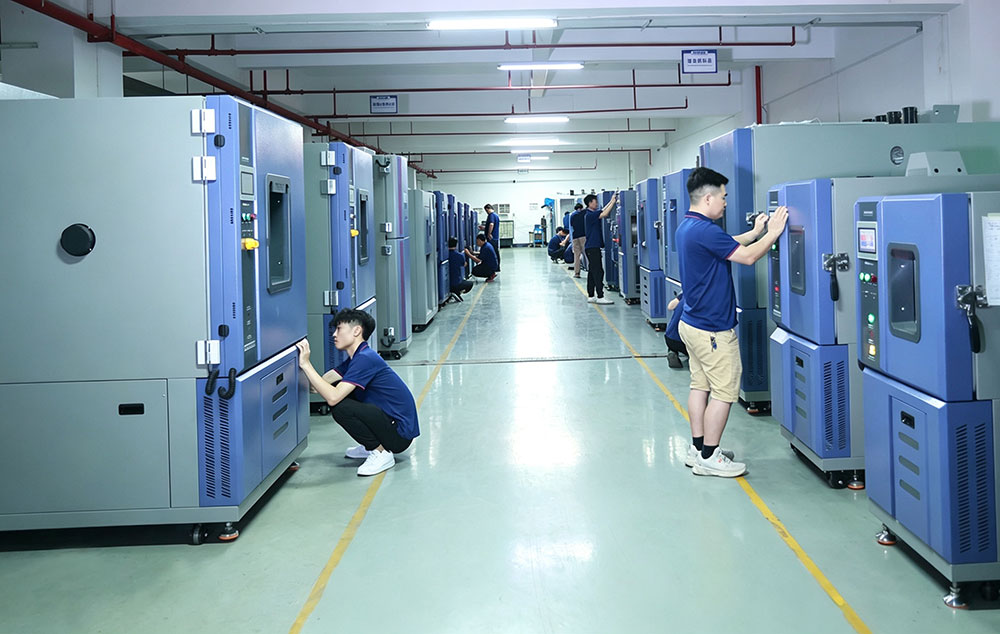
Accelerated Aging in an Environmental Test Chamber
Wire harnesses in automotive engine bays and aerospace chassis are subjected to extreme temperature fluctuations and high humidity. To simulate years of weather exposure in a matter of weeks, laboratories place the wire samples inside an Environmental Test Chamber. These highly controlled climatic chambers subject the plastic and rubber insulation to rapid thermal shock, deep freezing, and extreme moisture. Auxiliary thermal equipment, such as a precision Drying Oven or a Vacuum Oven, is also utilized to bake the polymers and measure outgassing, ensuring the wire jacket will not become brittle or melt under sustained engine heat.
Dynamic Stress via Vibration Shaker Table Systems
A wire harness installed in a moving vehicle endures relentless kinetic vibration. To ensure the mounting brackets, clips, and internal copper strands will not suffer from mechanical fatigue and snap during transit, engineers mount the harness to a Vibration Shaker Table System. This equipment replicates specific road profiles and engine frequencies, exposing potential weak points in the harness routing design before mass production begins.
Frequently Asked Questions
Q1: Why is an environmental test chamber necessary if I already use a
wire testing tester?
A1: An electrical tester only
verifies the condition of the wire at room temperature on the factory floor. An
environmental chamber simulates years of harsh weather, revealing whether the
wire's insulation will crack in sub-zero temperatures or degrade under high
humidity, which ultimately leads to the short circuits that the electrical
tester looks for.
Q2: What is the purpose of testing the pull force of a
wire?
A2: Using universal tensile test equipment to
measure pull force ensures the mechanical crimp between the metal terminal and
the copper wire is structurally sound. A weak crimp causes electrical
resistance, overheating, and eventually, total connection failure.
Q3: How frequently does QA equipment require
calibration?
A3: To maintain compliance with ISO
9001 and aerospace standards, industrial testing machines—including electrical
testers, tensile testers, and environmental chambers—typically require
professional recalibration every 12 months to ensure sensors and load cells
remain absolutely precise.
Q4: Do testing equipment manufacturers provide solutions for battery
safety?
A4: Yes, leading laboratory equipment
providers supply specialized battery test equipment. Since modern high-voltage
wire harnesses connect directly to EV battery packs, validating the safety,
charge cycles, and thermal runaway thresholds of the batteries themselves is a
critical parallel requirement.
Q5: Can mechanical testing equipment handle different types of
materials?
A5: Absolutely. A well-equipped lab uses
rubber and plastic test equipment to verify the chemical properties of the wire
insulation, and paper packaging test equipment to ensure the heavy transit boxes
carrying the finished wire harnesses will survive international shipping without
collapsing.
Establishing a Comprehensive QA Ecosystem for Harness Validation
Securing the electrical and mechanical integrity of manufactured products requires moving beyond isolated inspection methods. While a professional wire testing tester serves as the frontline defense against electrical faults, true product reliability demands a holistic approach to quality assurance. Facilities aiming to meet stringent international manufacturing standards must build testing ecosystems that encompass several core pillars of validation:
Climatic Resilience: Utilizing an Environmental Test Chamber to simulate extreme temperature and humidity lifecycles on polymer insulators.
Mechanical Endurance: Deploying Tensile Test Equipment to verify the physical crimp strength and shear resistance of connectors under stress.
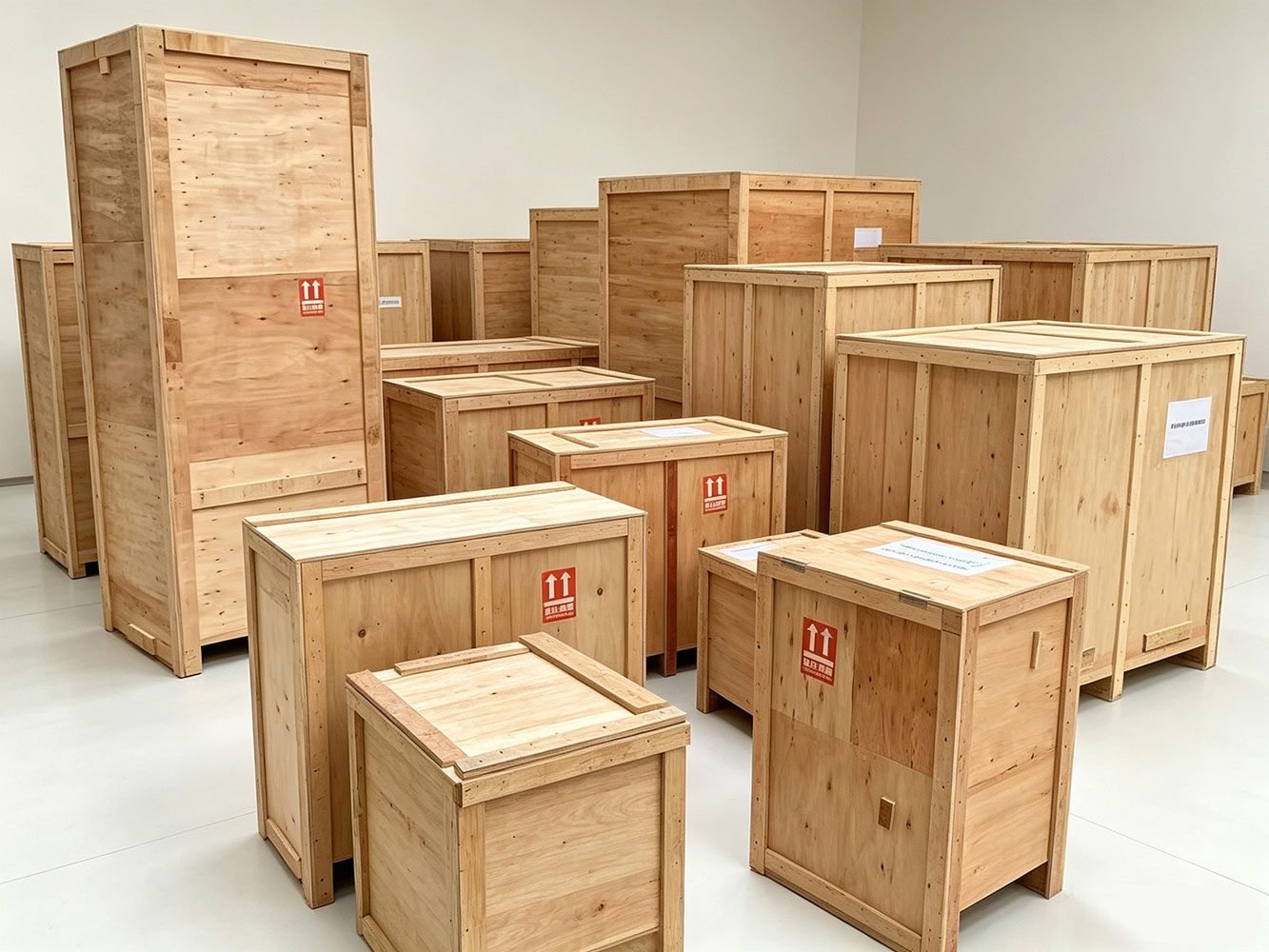
Transit and Material Safety: Integrating Packaging Test Equipment alongside specialized Plastic And Rubber Test Equipment to ensure raw materials and final shipments survive global logistics.
With over a decade of dedicated R&D expertise in high-performance testing infrastructure, HAOEN partners with manufacturing facilities to construct these exact comprehensive laboratories. By providing a seamlessly integrated suite of environmental, mechanical, and material testing hardware, HAOEN ensures that quality assurance teams possess the precise analytical tools required for global compliance. Contact our technical engineering group today to discuss your specific testing parameters, request detailed equipment specifications, and design a customized QA architecture for your production floor.