
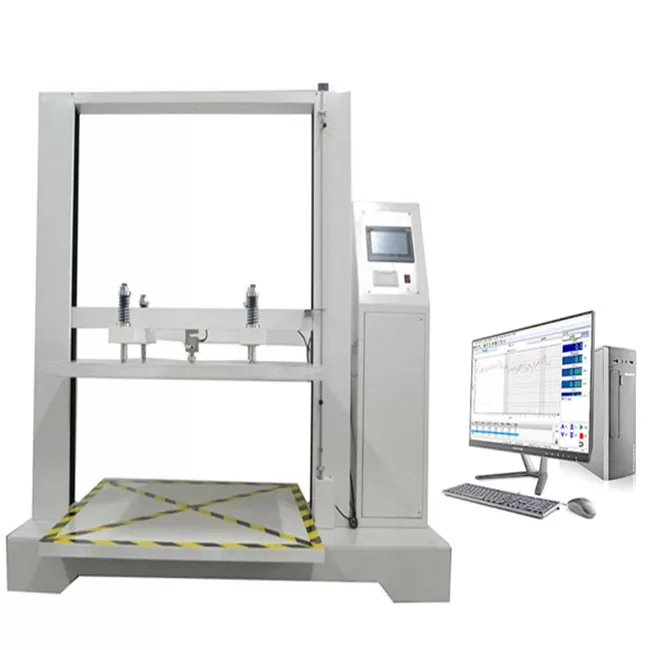
Paper manufacturing and converting operations depend on precise measurement to verify structural durability and surface functionality. Small variances in pulp fibers, refinement intensity, or drying profiles alter the performance of linerboard, folding cartons, and specialty sheets. Incorporating high-precision instrument suites enables quality laboratories to monitor physical behavior across varying atmospheric conditions and mechanical stress parameters. As mill operations shift toward higher recycled fiber ratios, standardizing physical evaluations becomes central to preventing yield loss and product failures downstream. HAOEN delivers specialized instrument lines engineered to meet these rigorous mechanical demands, assuring consistent performance across global supply chains. Implementing robust paper testing equipment allows quality managers to detect fiber defects early, streamline raw material usage, and confirm strict compliance before shipments leave the floor.
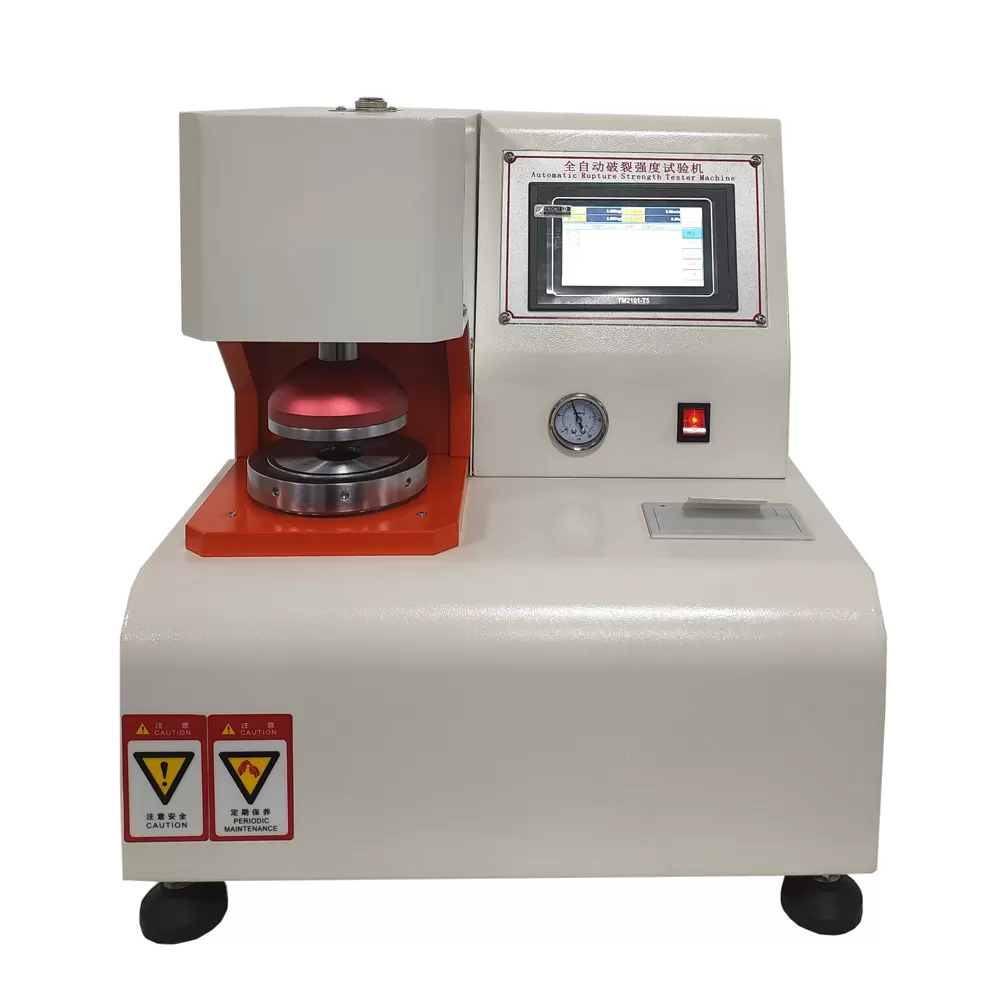
Structural Integrity and Mechanical Strength Evaluation
Physical durability remains a primary concern for packaging producers and paper mills. Evaluating the stress capacity of paperboard requires distinct methodologies targeting specific failure modes under load. Precision instruments reproduce real-world stresses—such as stacking force, bursting pressure, and tension—within controlled laboratory settings.
Bursting Strength Determination
Hydraulic pressure systems measure the rupture point of paper under multidirectional strain. By clamping a specimen over an expanding elastic diaphragm, laboratory apparatuses record the bursting strength in kilopascals (kPa). This value, commonly called the Mullen burst value, correlates directly with a containerboard container's ability to endure rough handling and internal pressures during transport. Multi-ply boards and linerboards require dynamic pressure rates to prevent premature edge tearing, necessitating precise pressure transducers and uniform clamping forces during testing.
Compressive Resistance Parameters
Boxboard structural stability relies on resistance to compression under vertical stacking loads. Several key methodologies isolate individual mechanical characteristics:
Short-Span Compression Testing (SCT): Evaluates individual fiber wall strength over extremely short clamping distances (typically 0.7 mm). SCT minimizes specimen buckling, yielding a pure measurement of compressive yield strength that predicts corrugated box performance accurately.
Ring Crush Testing (RCT): Measures the edgewise compression strength of a paper strip formed into a ring shape inside a specialized holder. RCT helps mills evaluate linerboard and fluting medium stiffness, though specimen preparation must avoid edge damage to ensure accurate data.
Edge Crush Testing (ECT): Evaluates the total compressive strength of assembled corrugated board sections. ECT data directly feeds into the McKee formula for predicting combined box compression values.
Tensile Properties and Tensile Energy Absorption
Tensile instruments apply continuous uniaxial strain to a paper strip until failure occurs. Modern units capture tensile strength, stretch percentage, and Tensile Energy Absorption (TEA). High TEA values indicate that the sheet absorbs impact energy without breaking, a property vital for multiwall sacks and continuous web printing operations where sudden tensions cause costly web breaks.
Surface Properties, Absorbency, and Microstructure Analysis
Beyond mechanical load capacity, the interaction between paper surfaces and liquids, inks, or adhesives dictates performance in printing and converting operations. Evaluating surface smoothness, porosity, and absorption parameters helps plant engineers fine-tune coater blades and sizing applications.
Liquid Absorption Dynamics
Cobb sizing testers establish the water absorption rate of non-absorbent paper and board over designated durations (typically 60 or 180 seconds). By measuring mass gain after exposure to a standardized water column, operators assess internal sizing agents like ASA or AKD. Proper sizing prevents ink feathering, maintains adhesive performance, and protects corrugated containers from humidity-induced softening.
Surface Smoothness and Air Permeability
Air-leak methods measure surface micro-roughness by determining the rate of air escaping between a precision flat ring and the paper sample. Key testing approaches include:
Bekk Method: Measures the time required for a set volume of air to pass over the paper surface under a specified vacuum. Higher time readings in seconds correspond to smoother surfaces suitable for high-resolution gravure printing.
Bendtsen and Sheffield Methods: Measure air flow rates across the sheet surface. Lower flow values indicate higher surface smoothness.
Porosity Evaluation (Gurley/Sheffield): Measures air passage through the total sheet thickness. Permeability metrics inform papermakers about fiber formation density, coating holdout, and vacuum pickup suitability on automatic packaging machinery.
Grammage and Caliper Uniformity
Precise digital micrometers and analytical balances verify basic weight (grammage) and thickness (caliper). Variances in sheet caliper directly affect structural rigidity and feed reliability in high-speed converting machinery. Precision micrometers apply uniform dead-weight loads (typically 50 kPa) over defined anvil areas to prevent specimen crushing during measurement.
Adherence to International Standards and Environmental Control
Repeatable test results demand strict control over testing environments and operational protocols. Natural paper fibers are hygroscopic, meaning they absorb and desorb atmospheric moisture continuously, altering their dimensional stability and mechanical strength.
Atmospheric Conditioning Requirements
Standard laboratory environments must be maintained at 23°C ± 1.0°C and 50% ± 2.0% relative humidity according to ISO 187 and TAPPI T 402 protocols. Fiber swelling caused by elevated humidity decreases tensile and burst metrics while increasing tear resistance. Pre-conditioning samples in dry environments (10% to 35% relative humidity) eliminates moisture hysteresis, ensuring reproducible measurements regardless of regional climate differences.
Standard Compliance Protocols
Standardized testing framework comparison across regulatory environments:
Bursting Strength: Governed by TAPPI T 403 (paper) and TAPPI T 810 (corrugated board), alongside ISO 2758 and ISO 2759.
Compressive Tests: Regulated via TAPPI T 826 (SCT) and TAPPI T 818 (RCT), with corresponding global frameworks under ISO 9895.
Water Absorbency: Defined through TAPPI T 441 and ISO 535 Cobb testing procedures.
Calibration schedules require traceable reference materials to verify load cell linearity, pressure gauge precision, and clamping uniformity. HAOEN designs laboratory hardware with strict mechanical tolerances to satisfy these exact standard protocols, helping laboratories align their quality management systems across multiple facilities. Utilizing calibrated paper testing equipment protects manufacturers from costly rejections caused by out-of-spec deliveries.
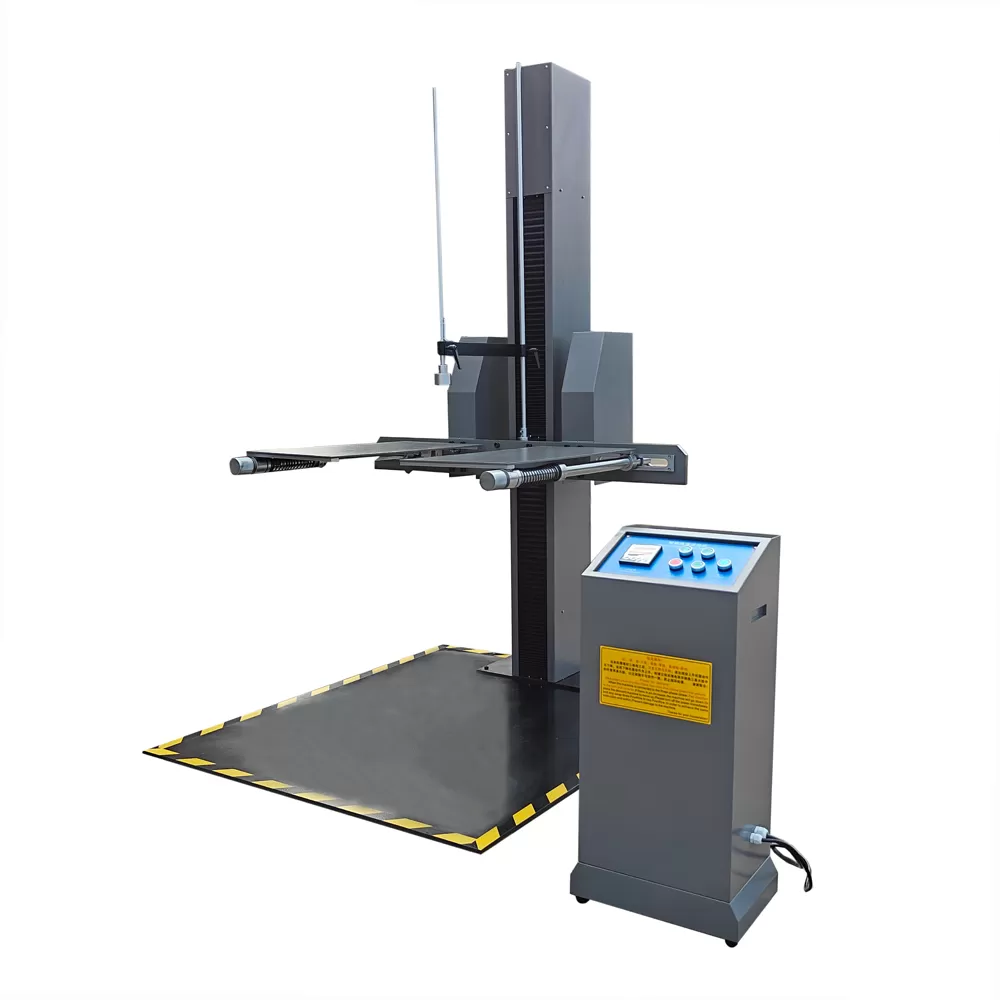
Production Integration and Quality Protocol Optimization
Modern paper mills integrate laboratory testing data directly into their automated process control loops. Rapid feedback on physical parameters permits real-time adjustments to refining intensity, chemical additives, and press nip pressures.
Converting Performance Prediction
Connecting raw paper test metrics to finished box performance reduces trial-and-error adjustments on packaging lines. Predicting compression strength through combined RCT and ECT data ensures finished corrugated boxes withstand transport stress without over-engineering fiber weight. This data-driven approach controls raw material costs while keeping performance within safe operating margins.
Recycled Fiber Variance Management
Recycled fibers lose length and bonding potential with every repulping cycle. Continuous monitoring of tear resistance and zero-span tensile strength allows mill engineers to balance virgin pulp blends effectively, controlling production costs while preserving end-use strength specifications. Utilizing robust paper testing equipment allows operators to map batch variances and establish realistic tolerance bands for secondary fiber streams.
Frequently Asked Questions
Why is environmental conditioning mandatory before paper physical testing?
Paper properties shift as cellulose fibers balance their moisture content with ambient air. Temperature and humidity fluctuations directly alter tensile strength, stiffness, burst resistance, and fold endurance. Standardizing the testing climate to 23°C and 50% relative humidity ensures that physical measurements remain consistent across different laboratories and seasonal shifts.
How does Short-Span Compression Testing (SCT) differ from Ring Crush Testing (RCT)?
SCT measures the compressive strength of a small fiber zone over a 0.7 mm gap, preventing the paper strip from buckling during the test. RCT evaluates a longer strip bent into a circle, where structural buckling often occurs before the fibers reach their actual compressive limit. SCT provides a cleaner measurement of intrinsic fiber strength, making it easier to predict corrugated container performance.
Which physical metrics determine the printability of coated paperboard?
Printability depends on surface smoothness (measured via Bekk or Parker Print-Surf methods), air permeability (porosity), surface energy, and liquid absorbency (Cobb test). Smooth surfaces ensure uniform ink transfer, while controlled porosity prevents blistering during rapid drying cycles in high-speed offset or rotogravure printing presses.
What is the difference between bursting strength and puncture resistance?
Bursting strength measures multidirectional hydraulic pressure tolerance across a flat paper surface, reflecting internal fiber bonding and stretch capacity. Puncture resistance evaluates total energy absorbed when a weighted triangular pyramid pierces through heavy solid fiberboard or corrugated board, simulating damage from sharp corners or external impacts during transport.
How frequently should paper physical testing instruments undergo calibration?
High-use production instruments require calibration verification every six to twelve months under normal operating conditions. Load cells, pressure transducers, and precision clamping anvils should be checked using certified reference materials and traceable calibration tools to maintain strict ISO and TAPPI compliance.
Enhance Your Quality Control Operations
Selecting appropriate laboratory instrumentation requires matching specific physical measurement capabilities with production goals and regulatory demands. Technical support specialists are available to review mill parameters, advise on test method selection, and provide hardware recommendations tailored to specialized paper grades.
Contact the HAOEN engineering team today via email at 13631787342 @163.com to request instrument specifications, discuss custom testing configurations, or submit inquiries regarding standard compliance suites.